
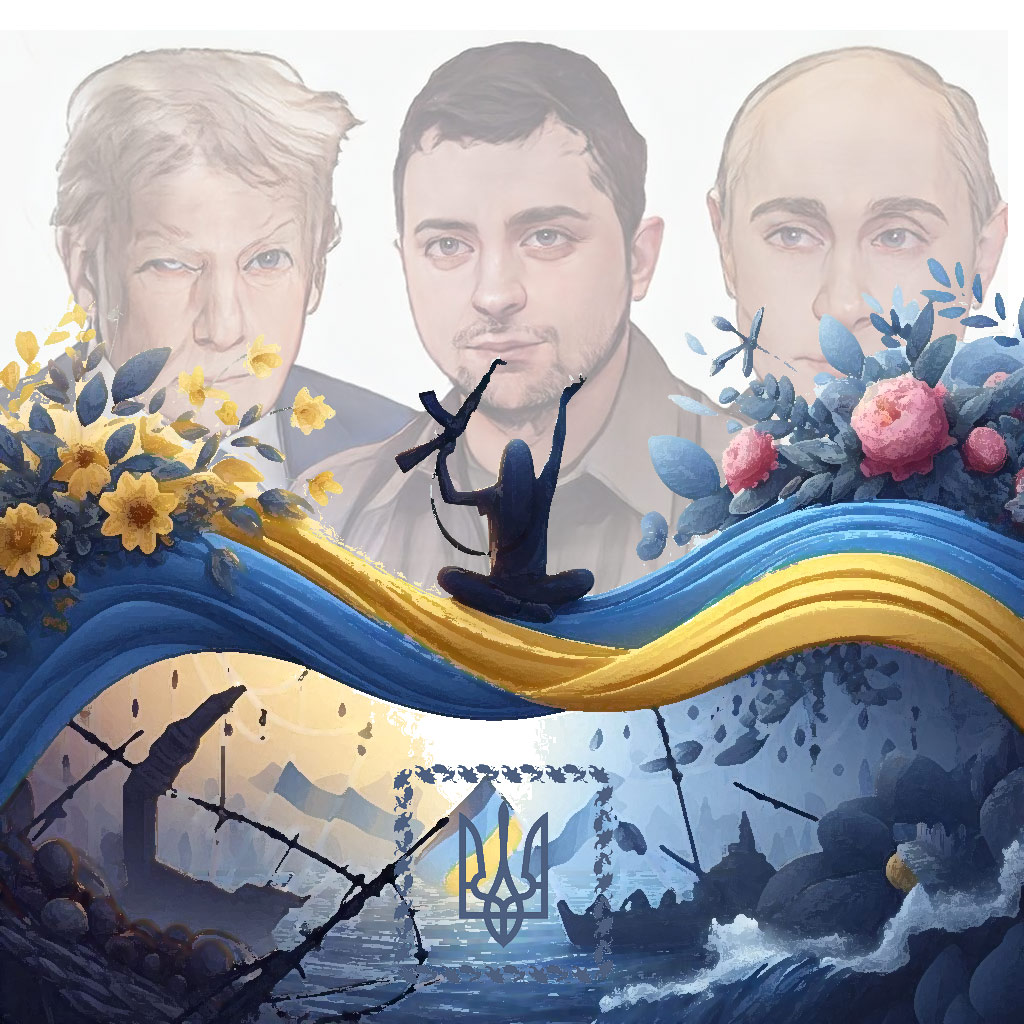
Unraveling the Russia-Ukraine Conflict: Origins, Events, and Global Impact
Russia-Ukraine Conflict, Why is Russia invading and attacking Ukraine? For millions of families caught in the crossfire, this question is more than political—it’s deeply personal. What began as a regional dispute has escalated into a global turning point, affecting millions of lives and shaping international relations in the world’s leading powers. With its roots deeply embedded in history, the conflict represents a complex intersection of politics, geography, and human resilience.
This comprehensive overview explores the origins of the conflict, the key events and players involved, and the far-reaching consequences that continue to unfold. Whether you’re seeking to understand its impact on geopolitics, the global economy, or humanitarian efforts, this post will guide you through the complexities of the Russia-Ukraine conflict with an unbiased and thorough perspective. This is the story of how a regional dispute grew into a global reckoning—and what it means for the future we share.
Contents of Russia-Ukraine Conflict
- Origins of the Conflict
- Key Players and Motives
- Major Events in the Conflict
- Global Impact and Reactions
- Humanitarian Consequences
- Pathways to Resolution
1. Origins of the Conflict
Understanding the Russia-Ukraine conflict requires delving into the intricate history between these two nations. Their relationship has been shaped by centuries of shared culture, political ties, and territorial disputes. However, it’s the events of the 20th and 21st centuries that set the stage for today’s crisis.
Historical Context: The Fall of the Soviet Union
In 1991, the collapse of the Soviet Union marked a significant turning point for Ukraine, as it declared independence and established itself as a sovereign nation. This newfound autonomy was met with complex emotions in Russia, which viewed Ukraine as an essential part of its historical and cultural sphere of influence. Ukraine’s struggle to define its identity became evident as it balanced relationships with the West and Russia, striving to secure its independence while navigating pressures from its powerful neighbor. Imagine how the other states might feel if Texas were to break off and form its own country—this mirrors the sentiments of loss, cultural ties, and geopolitical importance that many in Russia associate with Ukraine.
The Euromaidan Protests: A Turning Point
Fast forward to 2013, when Ukraine faced a critical juncture. Massive protests, known as the Euromaidan movement, erupted after President Viktor Yanukovych’s government rejected a trade agreement with the European Union in favor of closer ties with Russia. These protests reflected a broader desire among many Ukrainians to integrate with Europe and distance themselves from Russian dominance. The political upheaval led to Yanukovych’s removal from office in 2014. A move that Russia decried as illegitimate. This set the stage for a dramatic escalation in tensions.
The Annexation of Crimea
In 2014, Russia annexed Crimea, citing a controversial referendum in which the majority of Crimean voters reportedly supported joining Russia. The annexation was condemned internationally, with many nations viewing it as a violation of Ukraine’s sovereignty. Strategically, Crimea was of immense importance to Russia due to its access to the Black Sea and longstanding naval base in Sevastopol. This event became a critical flashpoint, triggering sanctions against Russia and further dividing the international community.
The Conflict in Eastern Ukraine
Simultaneously, pro-Russian separatists in Eastern Ukraine’s Donetsk and Luhansk regions declared independence, with significant support allegedly coming from Russia. These self-proclaimed “people’s republics” became the center of a violent conflict in the Donbas region, drawing widespread international attention. Efforts to resolve the crisis, such as the Minsk agreements, aimed to establish ceasefires and a political solution, but peace remained elusive as hostilities continued for years.
2. Key Players and Motives
The Russia-Ukraine conflict involves a complex network of key players, each driven by distinct motives. Understanding their roles provides essential insight into how the conflict escalated and why its resolution remains challenging.
Russia: Asserting Influence and Geopolitical Goals
Russia’s Motives, A Multifaceted Perspective: Russia’s actions in the Ukraine conflict are driven by a mix of historical, geopolitical, and strategic considerations. While the motives are complex, they can be categorized into several key areas:
Restoring Influence Over Former Soviet States
- Historical Context: Russia has long viewed Ukraine as an integral part of its sphere of influence, dating back to the Tsardom of Russia and the Soviet Union. Ukraine’s independence in 1991 marked a loss of control over a territory that was both culturally and strategically significant to Russia.
- Geopolitical Vision: By asserting dominance over Ukraine, Russia seeks to restore what it considers its rightful influence in Eastern Europe. This aligns with a broader effort to reclaim a status akin to its former superpower role during the Cold War era.
Opposition to NATO Expansion
- Perceived Threat: Since the end of the Cold War, NATO has expanded eastward, incorporating many former Soviet Bloc countries. Russia perceives this as a direct threat to its security, particularly as NATO encroaches closer to its borders.
- Ukraine’s NATO Aspirations: Ukraine’s interest in joining NATO exacerbates these fears. Russia views this as a “red line” because it would place a Western military alliance directly on its doorstep, potentially enabling NATO to station troops and weaponry in Ukraine. Read more: How NATO’s Role Shapes Modern Geopolitics.
Protecting Strategic Interests in Crimea and the Black Sea
- Crimea’s Importance: Crimea is home to Russia’s Black Sea Fleet in Sevastopol, a naval base critical to Russia’s military operations and access to the Mediterranean. Maintaining control over Crimea ensures Russia’s continued influence in this region.
- Energy and Trade Routes: Control over the Black Sea also bolsters Russia’s ability to manage key energy and trade routes, which are vital to its economy.
National Identity and Cultural Ties
- Russian World Ideology: The Kremlin often frames its actions as protecting ethnic Russians and Russian-speaking populations, particularly in Ukraine’s eastern regions. This narrative appeals to a sense of shared history and cultural identity.
- Domestic Propaganda: The Russian government has leveraged nationalism and historical narratives to consolidate domestic support, portraying Ukraine as a part of a “Greater Russia.”
Countering Western Influence in Eastern Europe
- Strategic Rivalry: Beyond NATO, Russia is broadly opposed to Western influence in Eastern Europe. By challenging the West in Ukraine, Russia aims to reassert itself as a counterbalance to U.S. and European dominance on the global stage.
- Economic Leverage: Russia has often used energy resources, such as natural gas, to exert influence over European nations. Control over Ukraine strengthens its ability to pressure neighboring countries dependent on Russian energy.
Dissuading Other Separatist Movements
- Setting a Precedent: By taking a hardline stance in Ukraine, Russia signals to other former Soviet states (e.g., Georgia and Moldova) the consequences of pursuing closer ties with the West. This serves to dissuade other pro-Western movements in the region.
Bringing it All Together
Russia’s motives in the Ukraine conflict are deeply rooted in its historical vision, strategic interests, and desire to counter Western influence. While these actions have been met with widespread condemnation, understanding the Kremlin’s perspective is key to unpacking the complexities of the conflict.
Russia’s actions in Ukraine are deeply influenced by its opposition to NATO expansion, as it perceives Ukraine’s potential membership in the alliance as a direct threat to its national security. Additionally, Russia seeks to maintain control over strategically significant regions, such as Crimea, while extending its influence in Eastern Ukraine. These efforts are further motivated by a desire to reinforce its national identity and reclaim its stature as a global power, reflecting a broader vision of restoring its historical influence and dominance.
Russia’s leadership has framed the conflict as a defensive move against Western encroachment, leveraging propaganda to solidify domestic support.
Ukraine: Defending Sovereignty and Embracing the West
- Motive: For Ukraine, the conflict is fundamentally about defending its sovereignty and territorial integrity.
- Key Drivers:
- Desire to align more closely with Western democracies, particularly through partnerships with the EU and NATO.
- Resistance to Russian influence, with a strong national identity emerging since the 1991 independence.
- Protecting democratic principles and human rights against perceived aggression.
The resilience of the Ukrainian people has become a symbol of defiance against external threats, drawing widespread international admiration.
NATO and Western Allies: Supporting Ukraine and Countering Aggression
The involvement of NATO and Western nations in the Russia-Ukraine conflict is primarily driven by the aim of deterring Russian aggression and supporting Ukraine’s independence. Central to their actions is the commitment to upholding international law and opposing violations of sovereignty. Additionally, NATO and its allies have significant economic and strategic interests in maintaining stability across Eastern Europe. By addressing these challenges, they also seek to prevent setting dangerous precedents that could encourage similar aggressive actions elsewhere on the global stage.
NATO’s material and financial aid to Ukraine underscores its commitment, though the alliance faces challenges balancing involvement without escalating tensions.
Other Influential Nations: Geopolitical Alignments
The Russia-Ukraine conflict has also drawn responses from other influential nations, reflecting varied geopolitical alignments. China has maintained a strategically neutral stance, carefully balancing its relations with both Russia and the West while avoiding direct involvement. The European Union, on the other hand, has taken a proactive role by providing significant aid to Ukraine and addressing the broader economic impacts of the conflict, including the ongoing energy crisis. Meanwhile, many nations across the Global South—spanning Africa, Asia, and Latin America—have adopted a cautious approach, prioritizing their own economic stability over forming strong alignments with either side. These differing responses illustrate the global ripple effects and complexities of the conflict.
These diverse perspectives illustrate how the conflict’s ripples are felt far beyond its immediate borders.
3. Major Events in the Conflict
2014: Annexation of Crimea
In 2014, following the upheaval of the Euromaidan protests, Russia moved swiftly to annex Crimea. Citing a controversial referendum, in which a majority of Crimean voters reportedly supported joining Russia, Moscow claimed legal justification for its actions. However, the international community largely condemned the annexation as a blatant violation of Ukraine’s sovereignty. Strategically, Crimea’s importance to Russia lies in its access to the Black Sea and the naval base in Sevastopol, both of which are vital to Russia’s military and economic interests. This act marked a critical turning point, igniting tensions between Russia and the West and resulting in widespread sanctions against Russia.
2014-2021: War in Eastern Ukraine
The annexation of Crimea fueled separatist movements in Eastern Ukraine, particularly in the Donetsk and Luhansk regions, where pro-Russian groups declared independence. The ensuing conflict in the Donbas region quickly escalated into a violent war, with Russian military support alleged to be a key factor. Despite attempts to broker peace through agreements like the Minsk Protocol in 2014 and Minsk II in 2015, clashes between Ukrainian forces and separatists persisted. This prolonged period of unrest deepened the divide between Ukraine and Russia, with civilian casualties mounting and diplomatic resolutions proving elusive.
2022: Russia’s Full-Scale Invasion
In February 2022, Russia launched a full-scale invasion of Ukraine, escalating the conflict to an unprecedented level. The campaign was characterized by devastating battles, such as Ukraine’s staunch defense of Kyiv and the brutal siege of Mariupol. The invasion caused widespread destruction across Ukraine, triggering one of the largest refugee crises in recent history as millions fled their homes. The global response was swift and significant, with nations imposing heavy sanctions on Russia and supplying Ukraine with military and economic aid. This marked a dramatic escalation in the conflict, drawing worldwide condemnation and deepening the humanitarian crisis.
2023-2025: Protracted Conflict and Ongoing Developments
As the conflict continued into 2023 and beyond, it evolved into a prolonged and grueling war of attrition. Shifting frontlines and mounting casualties underscored the conflict’s intractable nature, while diplomatic efforts to negotiate a resolution struggled to gain traction. The war’s impact extended far beyond the battlefield, disrupting global energy markets, exacerbating inflation, and straining international alliances. The prolonged fighting has left the future of Ukraine and the region in uncertainty, as the world grapples with the enduring consequences of this war.
4. Global Impact and Reactions
The Russia-Ukraine conflict has had profound implications beyond the borders of the two nations, reshaping the global political, economic, and social landscape. The responses from countries and international organizations have varied widely, reflecting the interconnected nature of today’s world.
Economic Repercussions
One of the most immediate global impacts of the conflict has been economic instability. The sanctions imposed on Russia by Western nations have disrupted supply chains, particularly in energy and agriculture. Russia is a key exporter of natural gas and oil, and Ukraine plays a crucial role as a breadbasket of the world, exporting significant amounts of wheat, corn, and sunflower oil. The war has caused sharp increases in energy prices and food insecurity, particularly in developing nations that depend on these imports. Inflationary pressures have risen worldwide, with nations grappling to manage both rising costs and supply shortages.
Geopolitical Realignments
The conflict has triggered significant shifts in global alliances and power dynamics. NATO has seen renewed purpose and cohesion, with member nations ramping up defense spending and strengthening their commitment to collective security. Countries like Finland and Sweden have sought NATO membership, signaling a response to perceived threats in the region. Meanwhile, Russia has deepened its ties with nations like China and Iran, leveraging these partnerships to counterbalance Western sanctions and isolation. This geopolitical realignment has underscored a growing divide between the West and countries pursuing non-aligned or oppositional stances.
Humanitarian Crisis and Migration
The humanitarian toll of the conflict has been devastating. Millions of Ukrainians have been displaced, with many seeking refuge in neighboring European countries. This influx of refugees has placed significant strain on host nations, requiring large-scale humanitarian assistance and integration efforts. The global response, including the work of organizations like the United Nations and Red Cross, has been substantial. But challenges persist in addressing the needs of both refugees and internally displaced populations.
Energy and Climate Considerations
The energy crisis precipitated by the war has prompted many nations to reevaluate their energy policies. Europe, heavily dependent on Russian gas, has accelerated its transition to renewable energy sources, aiming to reduce reliance on Russian exports. Simultaneously, countries have turned to alternatives like coal and liquefied natural gas (LNG). This raises concerns about the environmental consequences of short-term energy solutions. The war has highlighted the fragile intersection of energy security and climate goals. This pushes nations to seek more sustainable and resilient strategies.
Global Unity and Diverging Reactions
The conflict has also tested the unity of the international community. While many Western nations have rallied in support of Ukraine, providing military aid and enforcing sanctions on Russia, other countries have taken more cautious or neutral stances. Nations in the Global South, for example, have often prioritized economic stability and non-alignment, highlighting the diverse perspectives shaped by regional priorities and historical relations.
5. Humanitarian Consequences
The Russia-Ukraine conflict has precipitated one of the most severe humanitarian crises in modern history. Beyond the battlefield, its devastating effects have rippled through communities, leaving millions of people in dire need of assistance and dramatically altering lives.
Displacement and Refugee Crisis
The war has caused widespread displacement on an unprecedented scale. Millions of Ukrainians have been forced to flee their homes, with a large portion seeking refuge in neighboring European countries like Poland, Hungary, and Romania. The United Nations High Commissioner for Refugees (UNHCR) has recorded that over [insert up-to-date figures here] people have crossed international borders, making it one of the largest refugee crises since World War II. Internally displaced persons (IDPs) within Ukraine also face enormous challenges, including limited access to basic necessities like food, water, and healthcare. The sheer volume of displaced individuals has placed immense strain on host nations, requiring extensive humanitarian coordination and resources. Countries that opened their doors to Ukrainian refugees have grappled with housing shortages, healthcare capacity, and integration challenges, but their responses have been marked by both generosity and logistical hurdles.
Civilian Casualties and Psychological Trauma
The loss of life and injury among civilians has been catastrophic. Residential areas, schools, and hospitals have frequently been caught in the crossfire, leaving thousands dead or injured. Beyond physical harm, the psychological toll of the conflict cannot be overstated. Children, in particular, have been deeply affected, with many witnessing violence and losing loved ones. Mental health organizations and NGOs have reported sharp increases in trauma-related disorders, including PTSD, depression, and anxiety among affected populations. Efforts to provide psychosocial support and mental health resources have become a critical component of the humanitarian response, but meeting the scale of need remains a significant challenge.
Strain on Humanitarian Organizations
International aid organizations, including the United Nations, Red Cross, and Médecins Sans Frontières, have mobilized to provide critical support in conflict-affected areas. Emergency interventions have included distributing food, clean water, and medical supplies, as well as setting up temporary shelters for displaced populations. However, the conflict’s intensity and unpredictability have made it difficult for aid workers to safely access certain areas. The reliance on humanitarian corridors for delivering aid has highlighted the fragility of these operations, with ceasefires often violated. Aid organizations have repeatedly called for the establishment of secure access points to ensure consistent support for civilians trapped in conflict zones.
Impact on Healthcare Systems
The war has placed enormous strain on Ukraine’s healthcare infrastructure. Hospitals and clinics have been damaged or destroyed, and medical professionals face immense risks working in conflict areas. Access to essential medications and treatments has been severely disrupted, particularly for individuals with chronic conditions like diabetes, hypertension, and cancer. Pregnant women and infants face heightened risks as maternity services struggle to operate under wartime conditions. International medical aid has played a vital role in bridging some gaps, but the long-term recovery of Ukraine’s healthcare system will require substantial investment and international cooperation.
Food Insecurity and Livelihoods
Beyond displacement and physical harm, the war has disrupted livelihoods and plunged many Ukrainians into poverty. Agriculture, a critical sector of Ukraine’s economy, has been severely impacted, affecting food production and distribution both locally and globally. With farms in conflict zones abandoned and supply chains severed, food insecurity has worsened for vulnerable populations. Globally, the conflict has intensified food shortages in regions dependent on Ukrainian grain exports, particularly in parts of Africa and the Middle East. International aid agencies have worked to counter these shortages, but the economic and logistical challenges persist.
Educational Disruption
The war has also disrupted education for millions of children. Schools have been destroyed or repurposed as shelters, and many children have been unable to attend regular classes due to displacement or unsafe conditions. Efforts to provide remote learning or temporary classroom setups have been implemented in some areas, but they fall short of fully addressing the educational needs of a generation profoundly affected by the conflict. The loss of education not only impacts individual futures but also has long-term consequences for Ukraine’s societal and economic recovery.
A Call for Action
The humanitarian consequences of the Russia-Ukraine conflict underscore the need for sustained international support and cooperation. Governments, organizations, and individuals worldwide must continue to provide resources and advocate for humanitarian access to ensure that affected populations receive the assistance they desperately need. From rebuilding lives to restoring communities, the path to recovery will require both resilience and global solidarity.
6. Pathways to Resolution
Achieving a resolution to the Russia-Ukraine conflict remains one of the most pressing challenges of our time. With entrenched positions, deep mistrust, and a host of geopolitical complexities, the road to peace is fraught with difficulties. However, understanding potential pathways to resolution offers hope for a more stable and secure future.
Diplomatic Negotiations and Peace Talks
Diplomacy remains the cornerstone of any effort to resolve the conflict. Past attempts, such as the Minsk agreements, have underscored the importance of dialogue, even if their outcomes were limited. Renewed peace talks would need to involve not only Russia and Ukraine but also key international stakeholders, including NATO, the European Union, and the United Nations. For diplomacy to succeed, both sides must be willing to make compromises—a difficult but essential step. A potential resolution could include agreements on territorial disputes, security guarantees for Ukraine, and assurances against further NATO expansion. International mediators may play a crucial role in bridging the gap between conflicting interests.
Ceasefires and Humanitarian Corridors
An immediate priority in any resolution is the establishment of lasting ceasefires. Effective ceasefires would create a foundation for broader negotiations while alleviating the suffering of civilians. Humanitarian corridors, which have often been unreliable during the conflict, must be strengthened to ensure the safe delivery of aid and evacuation of vulnerable populations. Trust-building measures, such as the exchange of prisoners or de-escalation agreements in key conflict zones, could pave the way for more comprehensive peace efforts.
The Role of International Organizations
International organizations have a critical role to play in fostering resolution. The United Nations could oversee peacekeeping operations, monitor ceasefire agreements, and facilitate humanitarian efforts. Organizations like the OSCE (Organization for Security and Co-operation in Europe) could provide platforms for dialogue and confidence-building measures. Financial institutions such as the World Bank and IMF could support Ukraine’s reconstruction and economic recovery. This assistance would help incentivize peace through development opportunities.
Reconstruction and Economic Stability
Rebuilding Ukraine will be an essential component of long-term peace. The conflict has devastated infrastructure, industries, and livelihoods, necessitating massive investment in reconstruction. A successful recovery plan would require international funding and collaboration, possibly through initiatives like a “Marshall Plan for Ukraine.” Economic stability is also key to reducing tensions. Ensuring access to markets, energy security, and sustainable development for both Ukraine and Russia could foster an environment where cooperation outweighs conflict.
Justice and Accountability
A lasting resolution must address the question of accountability. Investigating and prosecuting war crimes committed during the conflict will be crucial for achieving justice and reconciliation. The International Criminal Court (ICC) and other legal bodies could take on this responsibility. Thus ensuring that perpetrators are held accountable and victims receive acknowledgment. At the same time, reconciliation efforts, including truth commissions or reparations, may be needed to heal the divisions between communities.
Challenges to Resolution
The path to peace is not without obstacles. Deep-seated mistrust between Russia and Ukraine, compounded by the broader geopolitical rivalry between Russia and the West, poses a significant barrier. Domestic pressures within both nations—whether political, economic, or societal—further complicate efforts to compromise. Moreover, any resolution must account for the interests of ethnic minorities, displaced populations, and regions seeking autonomy, ensuring an inclusive and equitable framework for peace.
Hope for the Future
While the challenges are immense, the resilience and determination of the Ukrainian people, alongside the efforts of the international community, provide hope for a brighter future. The path to resolution will require patience, perseverance, and unwavering commitment to dialogue and cooperation. By addressing the root causes of the conflict and prioritizing the needs of those most affected, the world can work toward a solution that brings lasting peace to Ukraine and stability to the global stage.
What did we learn? Understanding the Russia-Ukraine Conflict and Its Global Implications
The Russia-Ukraine conflict is more than a regional dispute; it is a global event that has reshaped geopolitics, affected millions of lives, and tested the resilience of nations. From its deep historical roots to the devastating humanitarian toll, the conflict underscores the complex interplay of power, sovereignty, and human struggle. It serves as a stark reminder of the consequences of unresolved tensions and the importance of collective action in addressing global crises.
Through this cornerstone post, we’ve explored the conflict’s origins, major events, key players, and far-reaching impacts. While the challenges to resolution are immense, the courage of the Ukrainian people and the concerted efforts of the international community offer hope for a more peaceful and stable future.
As we continue to examine this conflict through sub-posts and detailed analyses, let us not lose sight of the human stories behind the headlines and the importance of striving for lasting peace. Understanding is the first step toward creating a better world—and by exploring the complexities of the Russia-Ukraine conflict, we can contribute to that shared goal. Read recent new about the Russia-Ukraine conflict on Google News.