
Lets Get in to Sulforaphane
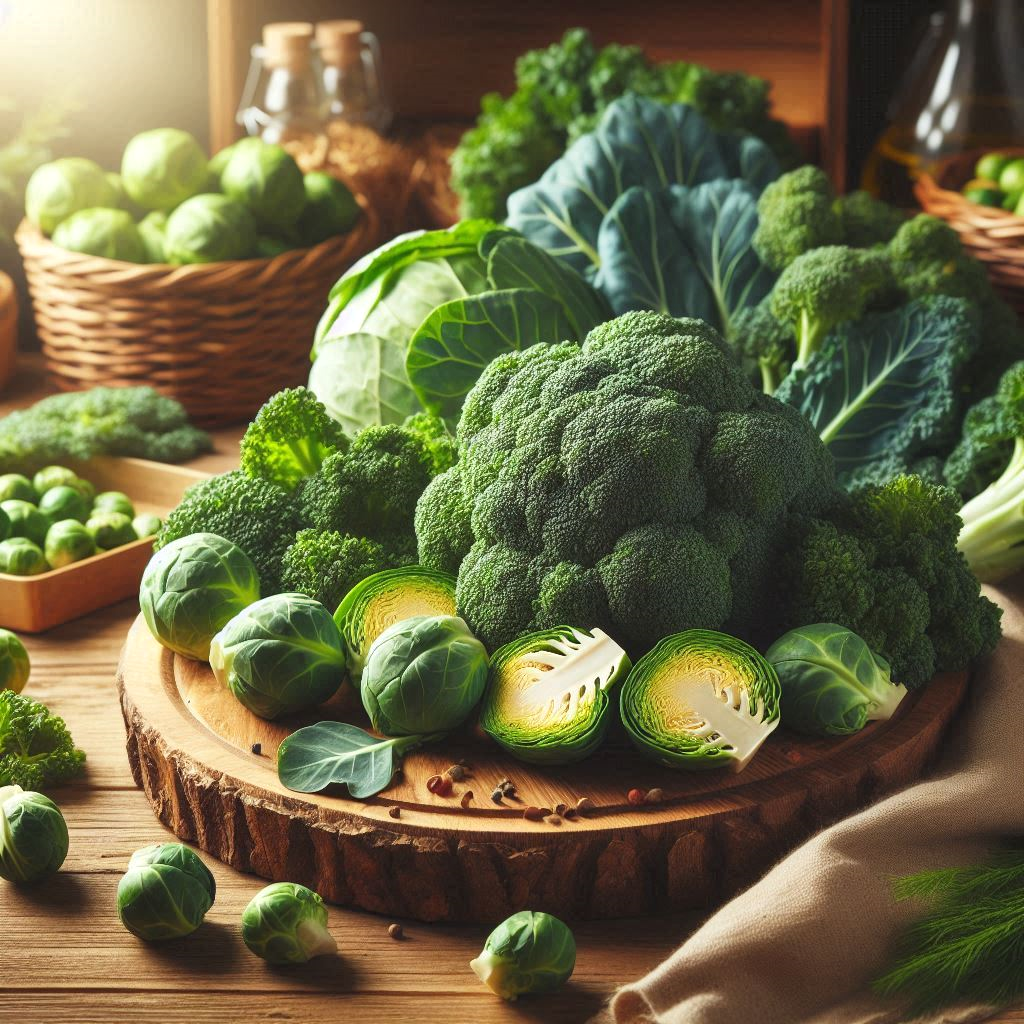
Sulforaphane is a powerful, sulfur-rich compound found in cruciferous vegetables like broccoli, cabbage, cauliflower, and kale. This natural plant compound has been linked to numerous health benefits, including improved heart health, cancer prevention, and better blood sugar control. In this guide, we’ll explore why you need this compound in your diet, its potential benefits, and the best food sources.
What Is Sulforaphane?
Sulforaphane belongs to the isothiocyanate family. It is produced when glucoraphanin, an inactive form, comes into contact with the enzyme myrosinase. This enzyme is released when cruciferous vegetables are chopped, chewed, or damaged.
Health Benefits of Sulforaphane
1. Anticancer Properties
This compound has been shown to have potent anticancer effects. It can reduce the size and number of various types of cancer cells by releasing antioxidant and detoxification enzymes that protect against carcinogens. Studies have linked higher dietary intake of cruciferous vegetables with a significantly reduced risk of cancer.
2. Cardiovascular Health
The antioxidant and anti-inflammatory properties help fight oxidative stress, which can influence heart disease risk. It activates processes that defend against oxidative stress, lowering the risk of atherosclerosis (plaque buildup in the arteries) and other cardiovascular conditions. It may also help regulate cholesterol levels by increasing high-density lipoprotein (HDL) and reducing low-density lipoprotein (LDL).
3. Blood Sugar Control
This compound may play a key role in blood sugar management. Its antioxidant and anti-inflammatory effects can improve insulin sensitivity, which is crucial for managing type 2 diabetes. Studies have shown that broccoli sprout extract, in the form of broccoli sprout extract, can help lower fasting blood glucose and hemoglobin A1c levels in people with uncontrolled type 2 diabetes.
4. Anti-Inflammatory Effects
Sulforaphane can help reduce biomarkers of inflammation, making it beneficial for managing inflammation-related conditions like arthritis and cardiovascular disease. It suppresses inflammation by impacting NF-κB, a key regulator of inflammatory responses, and down-regulating proinflammatory enzymes3.
Best Food Sources of Sulforaphane
To maximize your intake of sulforaphane, include the following cruciferous vegetables in your diet:
- Broccoli: Raw broccoli has the highest levels of sulforaphane. Steaming broccoli for one to three minutes can also help retain its beneficial content.
- Cauliflower: Another excellent source of sulforaphane, especially when eaten raw or lightly steamed.
- Brussels Sprouts: Packed with sulforaphane, Brussels sprouts are best consumed raw or lightly cooked.
- Kale: This leafy green is rich in sulforaphane and can be added to salads, smoothies, or lightly steamed.
- Cabbage: Both green and red cabbage are good sources of sulforaphane. Enjoy them raw in salads or lightly cooked.
What did we learn about Sulforaphane?
This potent compound boasts a wide array of health benefits, ranging from its anticancer properties to enhanced cardiovascular well-being. Additionally, it aids in better blood sugar management and provides significant anti-inflammatory effects. By including cruciferous vegetables such as broccoli, cauliflower, Brussels sprouts, kale, and cabbage in your diet, you can take advantage of these benefits and bolster your overall health. Read about cancer remission foods here.